
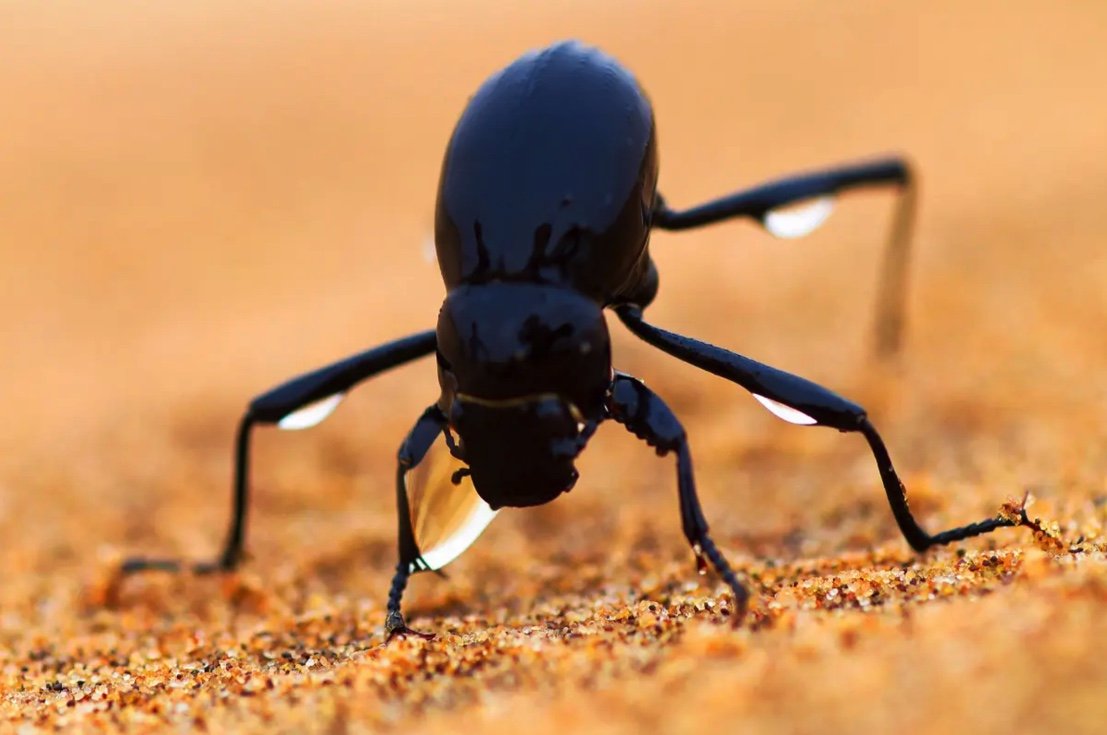
By engaging youth across continents, particularly in the Global South, Wild Entrepreneurs will foster a network of nature-connected, conservation-minded entrepreneurs who will co-create sustainable solutions inspired by natural systems. This immersive approach necessitates direct engagement with local ecosystems, encouraging young people to deeply understand and draw from the natural world as a foundation for sustainable innovation.
How can we better equip our youth to thrive in today’s world?
Q:
A:
Humanity has long divided the world into “nature” and “industry,” seeing wilderness as something to protect and industry as a necessary means of progress. But with millions of species at risk and rising health issues linked to pollution, it’s clear we need a new model—one that harmonizes human development with nature.
Biomimicry offers a transformative solution, using nature’s designs to solve human challenges sustainably and create pathways for economic regeneration through conservation.
-
WE is a partnership between Wildlife Direct and Morpho Collective which shows young people how to become a radically different kind of innovator, one who starts with the question, “how would nature solve this problem?” In doing so, these students’ innovations far exceed their grade level as they design according to nature’s very advanced directions. We believe – and have seen – that students who participate will become the creatives and leaders of their region. The program is in the pilot stage, operating in schools in Kenya, California, and Arkansas. WE equips students with knowledge and tools to address local challenges—from drought and cooling to regenerative agriculture and more—through bio-inspired design. This immersive, mission-driven approach will appeal to students because it inspires, prepares and rewards participation. The outcomes include a deep connection with nature, careers and economic independence grounded in conservation.
-
There are many engineering programs for young people and there is also outdoor education or nature appreciation, but very few combine the two. What happens when you show a student how the triangular hairs of the Saharan silver ant reflect heat from both directions, allowing it to survive temperatures of 117 degrees or more? The students are inspired to come up with new roofing tiles that work the same way, so they might help others who are suffering from extreme heat. Biomimicry builds empathy for nature as much as for our fellow humans. By centering the innovations around the ethos of conservation and an appreciation for all living creatures, there is a far greater likelihood that the future designed world will consider all life, not just what humans need.
-
The students are supported in advancing their designs from concept to prototype and maybe beyond, into an applied pilot. The WE program brings on engineers, maker spaces, biologists, material scientists, and others, all to ensure the students have the best chance at creating a viable solution. All intellectual property – the innovation concepts – is retained by the students, their school, or the regional entity overseeing the program (such as Wildlife Direct in Kenya).
-
2025 is the inaugural year for WE, with a fall pilot in East Kenya and also Oakland, California. There is also a companion program being piloted at a small charter school in Hot Springs, Arkansas, to test how early these concepts can be taught.
-
The WE curriculum will be made available online, including video training for educators and parents who want to introduce the content on their own. We believe that every student, everywhere, should have the opportunity and support to become a Wild Entrepreneur, and we know that it takes more than free curriculum to do that. Our goal is to build out cohorts of teachers and support teams that can, in turn, train others (train the trainer) in their area and also online. The most important indicator of success, it turns out, is how well the students understand the biological organism, how free they feel to be wildly creative about interpreting the mechanisms at work in nature. The role of the adults or older student mentors is to support a process of inquiry and imagination by showing what is possible. With that support, every student team produces something astonishing while solving real problems.
the big ideaWild Entrepreneurs (WE) is a collaboration between WildlifeDirect, which runs conservation education programs in East Africa, and Morpho Collective in USA, which focuses on biomimicry and regenerative design.
WE equips students with knowledge and tools to address local challenges—from drought and cooling to regenerative agriculture and more—through bio-inspired design. This immersive, mission-driven approach will appeal to students because it inspires, prepares and rewards participation. The outcomes include a deep connection with nature, careers and economic independence grounded in conservation.
A Two-Part Initiative

Design Challenge: This youth-driven learning initiative equips African students to become pioneering creators in nature-inspired design. The curriculum is crafted to encourage creativity and innovation, positioning Africa to lead globally in adopting biomimicry-based solutions. Foundational materials will be freely accessible and developed collaboratively by WildlifeDirect and Morpho Collective. Inspired by models like the 100-Year Starship initiative, this effort will leverage partnerships across government, museums, and academia to bring hands-on STEM learning to young Africans.

IP Co-Lab: The IP Co-Lab is a women-led cooperative and investment hub that serves as a “bank” for design concepts developed in the Challenge. Revenue generated from these designs will fund incubators and project implementation, creating a sustainable ecosystem for new ventures. Students retain all rights to their ideas if they choose to develop them, but for those who do not pursue commercialization, the Co-Lab can connect these concepts to potential partners or buyers.

SPOTLIGHT: NEW LEADERSHIP ●
SPOTLIGHT: NEW LEADERSHIP ●
Meet Dr. Paula Kahumbu, O.G.W
Chief Executive Officer WildlifeDirect
ROLESPresenter National Geographic’s Secrets of the Elephants 2023
_
Producer _
Board memberNational Geographic Society
WWF International

Our Theory of Change: if students learn to solve problems through biomimicry, they will become next-generation entrepreneurs who will see humans and human design as part of nature. Their solutions will inherently consider wildlife and environment in the products, services, and systems they create. If our wild entrepreneurs can generate new and additional income from their innovations, it will empower them and contribute to conservation outcomes.
This is not just education for education's sake, it is a career-readiness.

Why Africa?
-
Africa is uniquely positioned to lead in nature-driven innovation, with rich ecosystems that offer powerful models for sustainable solutions. For too long, Africans, particularly women, have borne the impact of global pollution and greenhouse gas emissions without reaping the benefits of economic empowerment. This initiative directly addresses the critical need for meaningful employment by equipping young people with skills in biomimicry and nature-inspired entrepreneurship, enabling them to become job creators within their communities.
-
With a fast-growing workforce and shrinking traditional job markets, millions of young Africans—especially women—face limited opportunities. This program empowers them to turn nature’s survival strategies into sustainable ventures, fostering economic independence and creating resilient, eco-conscious communities. By harnessing Africa’s biodiversity, we’re investing in a new generation of innovators poised to drive lasting environmental and economic transformation.
-
Wildlife Direct currently works with over 200 schools and more than 400 teachers which is managed through partner organizations. The roll-out would be a train-the-trainer model. We plan to make monitoring and evaluation easier using tech tools.
Opportunity to involve the mothers of the students into the IP co-op.
Kenya being a religious country, this could be a chance to leverage existing relationships with churches to extend the idea of stewardship as service.
We see this Challenge changing polluting behavior (littering, open-burning pollution).
Africa and India are poised to avoid the mistakes made in the US and Europe, where regulators are now playing catch-up to counter 100 years of poor design decisions.
-
The benefits of this program are numerous. Schools gain access to cutting-edge, open-access biomimicry curriculum materials, positioning them as leaders in innovative and environmentally conscious education, a fresh approach to STEM, and career growth for teachers. This elevates the school's reputation and recognition which could attract more funding, support and partnerships. Students gain hands-on experience in problem-solving, design thinking, and entrepreneurship by tackling real-life environmental issues through biomimicry. This prepares students for careers as innovators and sustainable business leaders, turning them into job creators rather than job seekers thus solving another major challenge for the global south. It also develops a lifelong appreciation for biodiversity and conservation, fostering a conservation ethic that benefits their communities and ecosystems.
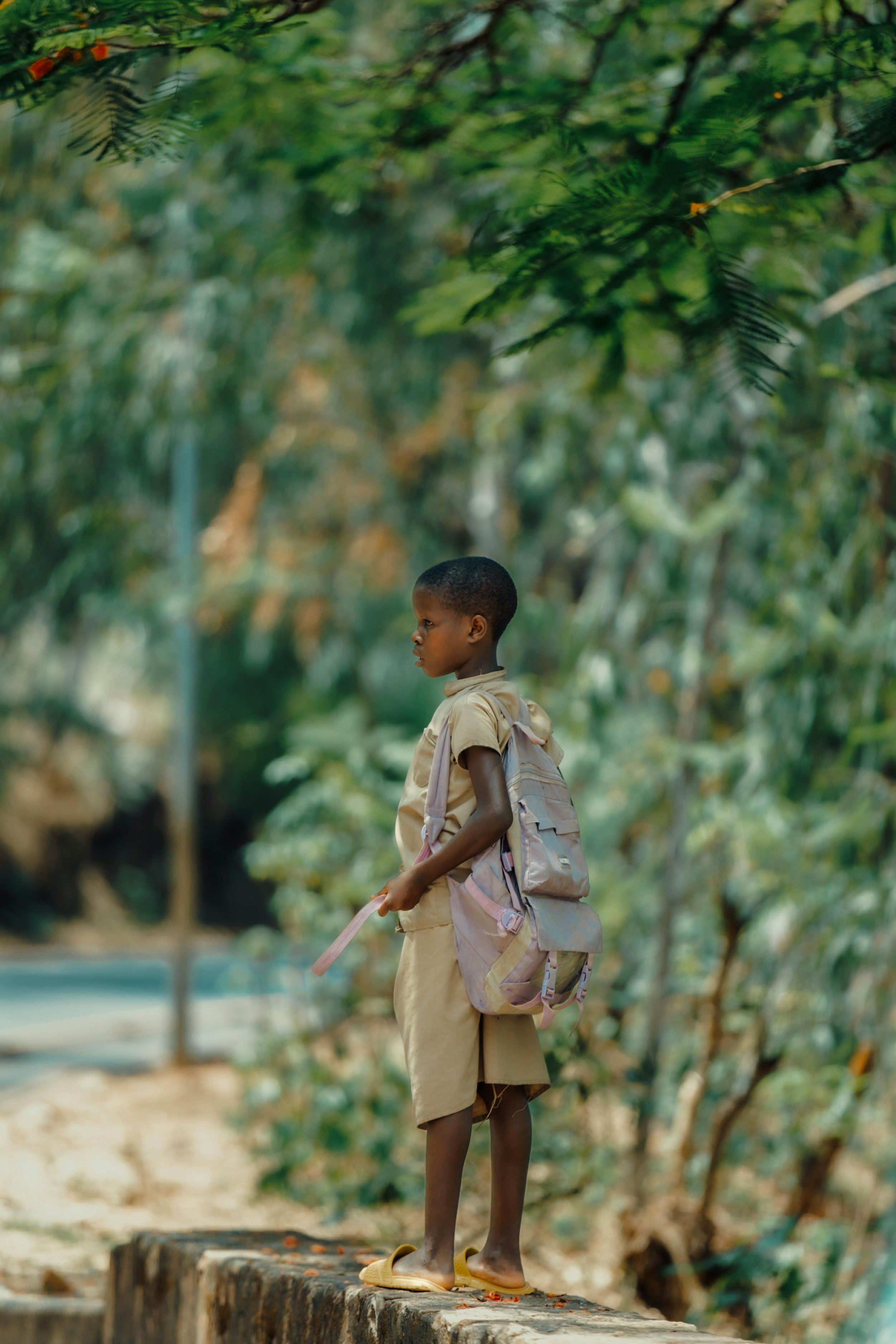
We know that this can work because nature already provides ingenious, sustainable models: trees move water over 200 feet without power, butterfly wings create vivid colors without dyes, and the mantis shrimp’s structure inspires ultra-durable materials. Global companies like Velcro and Japan’s Shinkansen trains have harnessed similar designs with huge market success, validating the commercial potential of biomimicry. With the scale of this initiative, however, we’re poised to inspire a generation to bring these principles to a larger, diverse array of communities, industries, and challenges.